
Motorcycle riders in Huntington enjoy the same legal rights as all other licensed drivers, and other motorists share a legal duty to avoid putting bikers at unreasonable risk. A driver who fails to act reasonably and causes a crash can be held liable for the damages a motorcyclist suffers as a result. A Huntington motorcycle accident lawyer at Jan Dils, Attorneys at Law can help you pursue the compensation you are owed.
Obtaining fair compensation after a motorcycle accident is rarely straightforward. An injured rider must prove that another driver was at fault for the collision and show how the crash has affected their life, all while recovering from injuries that are often more severe than those seen in a typical car accident. Our team can take on both of these tasks so you can focus on getting better.
Where Huntington Motorcycle Crashes Happen
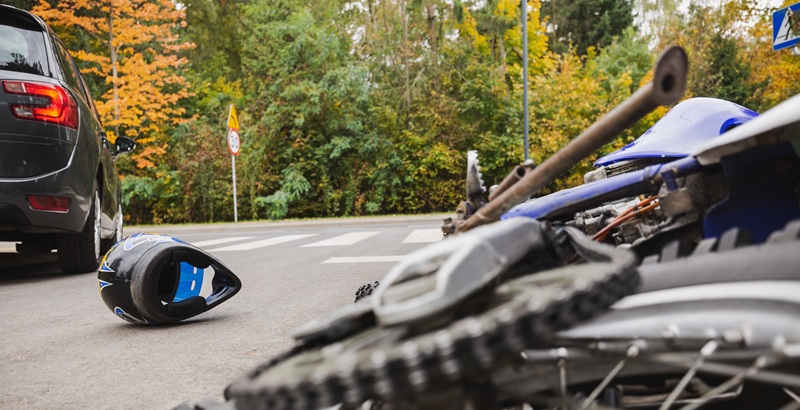
Huntington’s road network creates a few recurring trouble spots for riders. Downtown intersections along 3rd and 5th Avenue see frequent left-turn crashes, where a driver misjudges an approaching motorcycle’s speed or simply fails to see it in time. Streets near Marshall University see heavy foot, bicycle, and vehicle traffic during the school year, which raises the odds of a driver’s attention being split at the exact moment a motorcyclist needs to be seen.
A motorcycle accident lawyer in Huntington who regularly handles these cases can usually tell early on whether a crash fits one of these familiar patterns or involves something more unusual.
South of the city, WV Route 10 draws riders with its winding, scenic path along the Guyandotte River, but the road itself is considered substandard by modern highway design standards, with sharp hairpin curves and little to no shoulder in many stretches. A curve that a passenger vehicle can take safely may be far riskier on two wheels, and a driver crossing the centerline on one of these curves can leave a rider with nowhere to go.
Tractor-trailers also struggle to negotiate many of Route 10’s tightest curves, which adds another layer of risk for any motorcyclist sharing that stretch of road with commercial traffic.
Huntington’s three Ohio River crossings, the Robert C. Byrd Bridge, the West Huntington Bridge, and the bridges near Kenova connecting to Kentucky, also bring a steady mix of out-of-state drivers into the area who may be less familiar with how to safely share the road with motorcycles. Weather adds another layer of risk on these approaches, since the Ohio River bench is prone to freezing rain that can leave bridge decks and connecting ramps icy well after nearby side streets have cleared, catching both local and out-of-town drivers off guard.
Responsibility of Other Drivers to Protect Motorcyclists
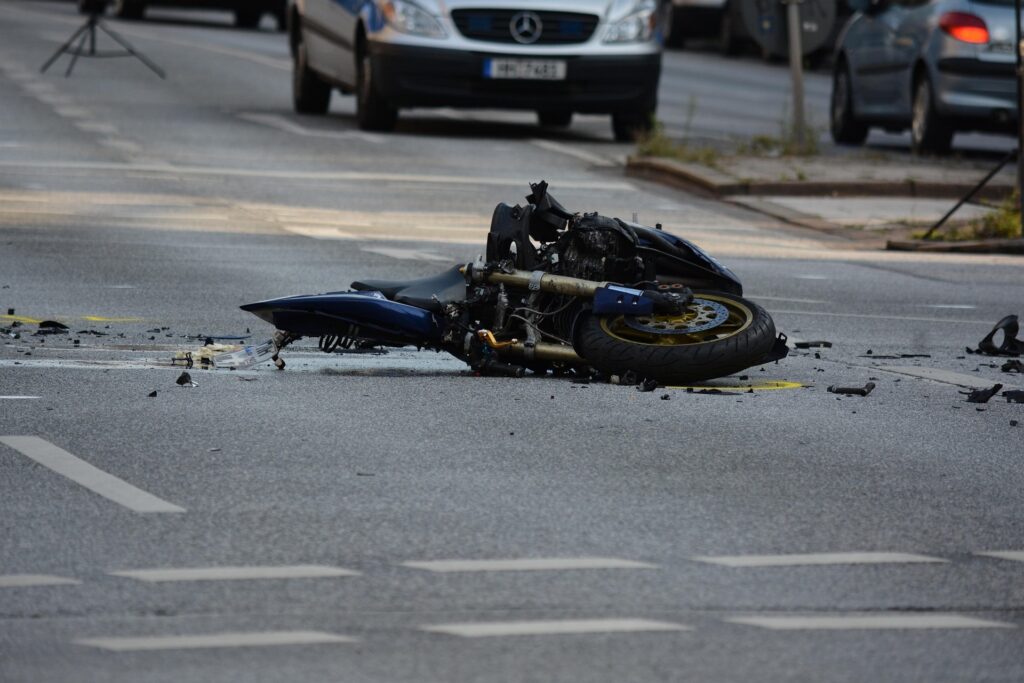
Operating any vehicle comes with a responsibility to follow the rules of the road and remain in control of that vehicle so as not to place others at unreasonable risk of harm. This duty extends fully to motorcyclists. While riders assume a certain level of risk simply by choosing a motorcycle, that does not excuse other drivers from their obligation to avoid causing harm whenever possible.
Obtaining Compensation After a Motorcycle Crash
At-fault drivers are required to provide full compensation to the people they injure. Motorcyclists are especially likely to sustain severe and permanent injuries in a collision, and the compensation awarded should reflect the true extent of those damages, not just the immediate medical bills.
Our motorcycle accident attorneys in Huntington can help injured bikers measure their full losses and demand comprehensive recovery from every liable party. This typically includes compensation for:
- Medical bills
- Lost wages
- Emotional toll of a serious crash
- Pain and ongoing suffering
- Permanent disabilities
Our Huntington motorcycle accident attorneys regularly also account for less obvious losses, such as the cost of specialized physical therapy or modifications to a home needed after a catastrophic injury.

Property damage is worth documenting carefully as well, since a motorcycle that appears repairable at first glance sometimes turns out to have frame damage that only shows up during a full mechanical inspection, and that distinction can meaningfully change the value of a claim.
Local courts apply the concept of modified comparative fault to determine liability for a motorcycle crash, under West Virginia Code § 55-7-13a. This allows a defendant driver to argue that an injured rider was partially or entirely to blame for the collision, which would reduce or eliminate that rider’s compensation if their assigned share of fault reaches 50 percent.
For this reason, it is worth having a motorcycle accident lawyer take the lead in proving that another motorist bears primary responsibility for a crash.
Helmet Laws and How They Affect a Claim
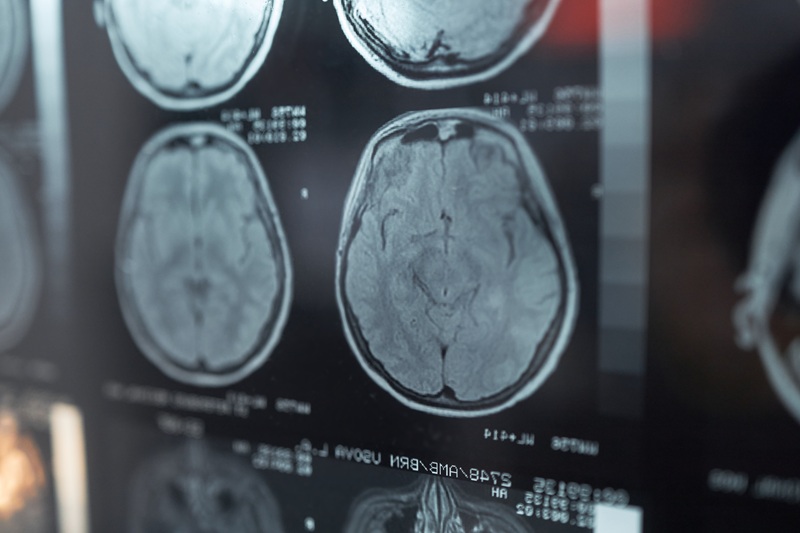
West Virginia requires every motorcycle operator and passenger, regardless of age, to wear a helmet meeting current safety standards, along with compliant eye protection such as safety glasses, goggles, or a face shield. Not wearing required safety gear at the time of a crash does not automatically bar a rider from recovering compensation, but an insurance company may argue that the missing equipment made the injuries worse.
Under West Virginia’s modified comparative fault rule, this can reduce an award, though it does not eliminate the right to recover unless the rider’s assigned fault reaches 50 percent or more.
This issue tends to come up more often in cases involving passengers than solo riders, since a passenger who borrows a helmet or rides without one is not uncommon on a short trip around town. Making sure every rider and passenger is properly equipped before setting out protects both personal safety and the strength of a future claim if a crash does happen.
Common Injuries in Huntington Motorcycle Crashes
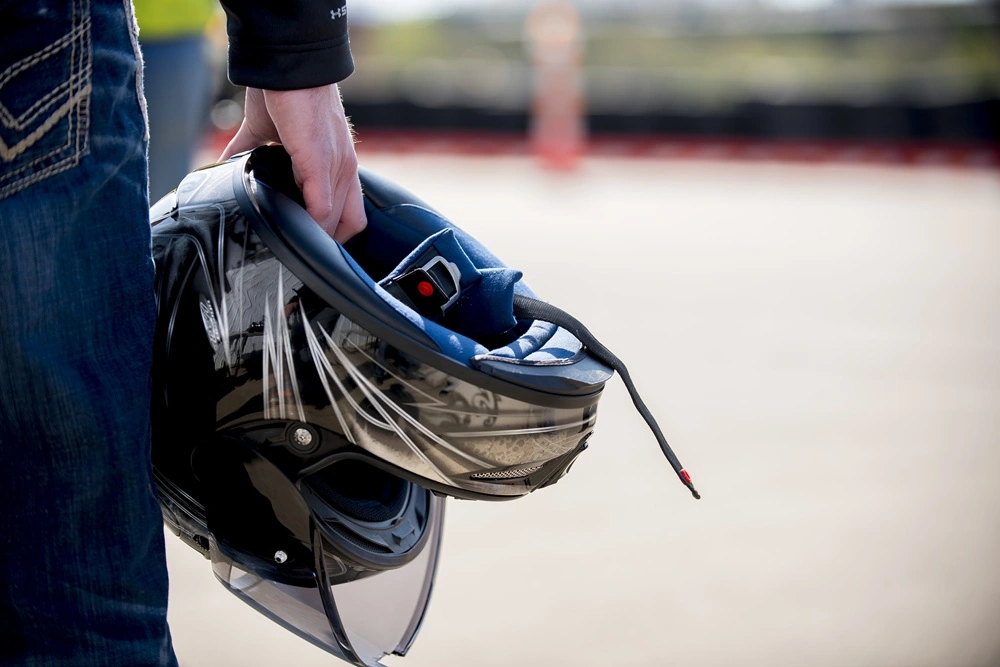
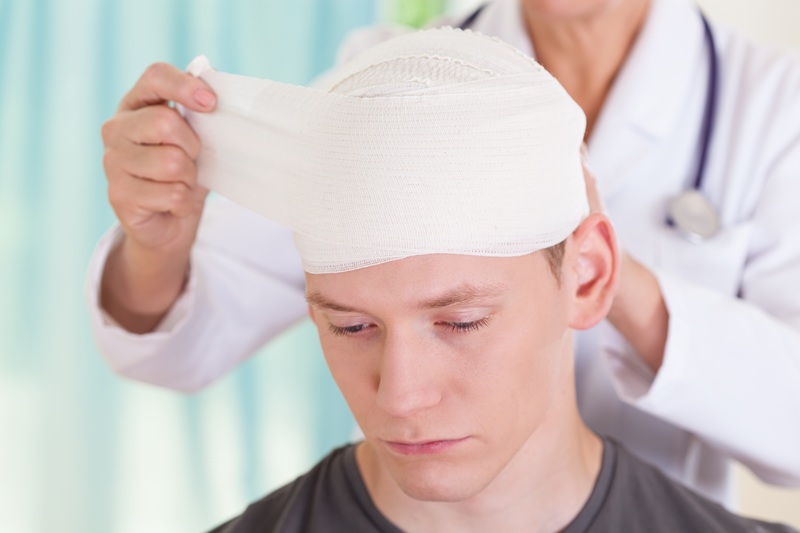
Because a motorcycle offers little protection compared to an enclosed vehicle, injuries from these crashes tend to be severe. Riders involved in a serious collision may experience:
- Traumatic brain injuries
- Broken bones and fractures
- Road rash and severe lacerations
- Spinal cord injuries and paralysis
- Internal bleeding and organ damage
- Severe burns
Injuries this serious often require extended hospital stays, multiple surgeries, and long-term rehabilitation, all of which should factor into the value of a claim well beyond the initial emergency room bill.
Gathering Evidence After a Crash
The type of evidence available after a West Virginia motorcycle crash often depends on where it happened. A collision downtown near Marshall University or along 3rd and 5th Avenue may be captured on nearby business surveillance cameras or witnessed by several bystanders. A crash on WV Route 10 or another rural stretch south of the city is less likely to have this kind of documentation, which makes photographs of the scene, the position of the vehicles, and any skid marks or road debris especially valuable.
In either setting, prompt medical treatment and a detailed police report help establish a clear record of what happened. Waiting to seek treatment, even for injuries that seem minor at first, can give an insurance company grounds to argue that the crash was not the true cause of a rider’s condition.

Frequently Asked Questions
Can I still recover damages if I wasn’t wearing a helmet?
Possibly. West Virginia law requires helmets for all riders and passengers, and not wearing one can be used as evidence that you contributed to the severity of your injuries. This can reduce your compensation under the state’s comparative fault rule, but it does not automatically prevent you from recovering damages.
What if the other driver was from Ohio or Kentucky?
Crashes involving out-of-state drivers are common in Huntington given its multiple river crossings. An attorney familiar with cross-border claims can determine which state’s laws apply and where your case should be filed.
How long do I have to file a motorcycle accident claim in Huntington?
West Virginia’s statute of limitations generally gives injured riders two years from the date of the crash to file a lawsuit. Waiting too long can mean losing the right to pursue compensation altogether.
What should I bring to a first meeting with an attorney?
Bring anything you have related to the crash, including photos of the scene and your motorcycle, the police report if one was filed, contact information for witnesses, and records of any medical treatment you have received so far. Having these basics on hand from the start helps your attorney request additional records and evidence right away, rather than spending the first meeting gathering background information.
What if my crash happened on Route 10 or another rural road?
Rural crashes often come with fewer witnesses and less traffic camera coverage than a crash downtown, which makes physical evidence, such as skid marks, debris, and the final position of the vehicles, especially important to document quickly. A prompt investigation can make a meaningful difference in these cases.
We Stand Up for Injured Motorcyclists in Huntington
Bikers have the same rights as everyone else on the road, including the right to demand compensation for losses caused by another driver’s negligence. Proving fault and collecting a fair payment can still be an uphill fight, since insurance companies often try to minimize the extent of an injured rider’s losses.
Our experienced law firm can push back against lowball offers and denied claims. Let our Huntington motorcycle accident lawyer at Jan Dils, Attorneys at Law take the lead in your personal injury case. Contact us online to learn more.