


To Schedule an Appointment, Call Us Toll Free at 1.877.873.8208 or Email Us for a Prompt Response.
A traumatic brain injury, often shortened to TBI, can bring consequences that reshape the rest of a person’s life. Depending on its severity, a brain injury can leave someone permanently disabled and unable to return to work or live independently. These injuries arise from a wide range of events, including sports participation, motor vehicle collisions, slip and fall accidents, and physical assaults. When another party’s wrongful conduct or negligence causes a brain injury, a catastrophic injury attorney at Jan Dils, Attorneys at Law can help you pursue damages sufficient to cover the full scope of your losses.
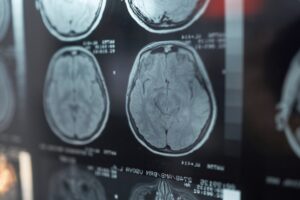
Brain injuries occur when a sudden jolt, blow, or penetrating injury disrupts normal brain function, and the resulting damage can range from temporary confusion to permanent cognitive impairment. Frequent causes include:
Falls are a particularly common cause of brain injury among older adults, while motor vehicle collisions tend to produce the most severe injuries given the forces involved in a high-speed impact. Regardless of the cause, when negligence played a role, whether through a distracted driver, an unsafe property condition, or inadequate safety measures at a sporting event, the injured person may have grounds to pursue compensation.
The symptoms a person experiences after a brain injury depend heavily on its severity, and even seemingly minor symptoms can point to a more serious underlying injury. A mild TBI may produce any of the following:
A moderate or severe brain injury tends to produce more alarming symptoms, including:
Because symptoms of a moderate or severe brain injury can worsen over the hours following an accident, prompt medical evaluation is critical even when initial symptoms seem manageable.

Neuropsychological testing often plays a central role in documenting the less visible effects of a brain injury, particularly for people whose imaging results appear normal despite real and ongoing cognitive difficulties. These evaluations measure memory, attention, processing speed, and executive function against established benchmarks, providing objective data that can be difficult for an insurance company to dismiss as simply subjective complaints.
Repeating this testing over time can also help establish whether a person’s condition is improving, stable, or declining, which matters both for medical treatment planning and for accurately valuing a legal claim. Without this kind of documentation, cognitive symptoms that significantly affect a person’s daily life can be undervalued simply because they are harder to see than a physical injury.
Unlike a broken bone that appears clearly on an X-ray, a traumatic brain injury does not always show up on standard imaging, particularly in milder cases where damage occurs at a cellular level rather than as visible bleeding or swelling. Emergency room staff evaluating a patient shortly after an accident may focus on more visibly urgent injuries, missing early signs of a concussion that only become apparent once the adrenaline of the moment fades.
This is one reason so many mild TBIs go undiagnosed at the scene or in the emergency room, only to be identified days later once cognitive or physical symptoms persist and prompt a follow-up evaluation. A documented pattern of symptoms following an accident, even without an immediate diagnosis, can still support a valid claim when connected to appropriate medical evaluation afterward.

Severe brain injuries can leave a person needing round-the-clock care for the remainder of their life. Personality changes, difficulty walking, an inability to manage basic daily needs, and permanent loss of the capacity to work are all realistic outcomes of a serious TBI. Families often find themselves taking on caregiving responsibilities they never anticipated, adjusting careers and schedules to accommodate a loved one’s new limitations, sometimes for decades rather than months.
These consequences extend well beyond the injured person alone, which is part of why calculating fair compensation requires looking at the full ripple effect of the injury rather than medical bills in isolation.
Few injuries carry a financial burden as significant or as unpredictable as a severe traumatic brain injury. Beyond the initial hospitalization, a person with a severe TBI may need:
These costs tend to grow rather than shrink over time as a person ages, since the combination of an aging body and a pre-existing brain injury can accelerate the need for additional support later in life. Calculating a fair settlement or verdict requires projecting these future costs accurately, which typically involves input from life care planners and medical experts familiar with how brain injuries tend to progress over a person’s remaining lifespan.

A successful brain injury claim generally requires demonstrating that another party’s negligence caused the injury, supported by:
Because brain injuries do not always show up clearly on initial scans, particularly in milder cases, ongoing documentation of cognitive and physical symptoms over time can be just as important as the initial diagnosis in establishing the full extent of the harm.
Compensation in a successful claim can include medical expenses, both past and anticipated future care, lost income, and non-economic damages for pain, suffering, and the loss of a person’s former quality of life.
Brain injury cases require attorneys who understand both the medical complexity of these injuries and the long-term planning needed to address a lifetime of potential care. Our team works with neurologists, life care planners, and vocational experts to build a complete picture of how a brain injury has changed your life and what that change will cost over time.
We also understand that families of severely injured clients are often navigating caregiving responsibilities of their own, which is why we handle the legal process with as little added burden on you as possible. Consultations are free, and you owe us nothing unless we recover compensation on your behalf.
Our team has represented clients through the full spectrum of brain injury severity, from concussions with lingering symptoms to injuries requiring lifelong care.
Yes. Even a mild traumatic brain injury can cause lasting cognitive difficulties, mood changes, or sensory issues that affect a person’s work and daily life for months or years, and compensation is based on the actual impact of the injury rather than its initial classification alone.
Immediately, without exception. Some of the most dangerous brain injury symptoms, such as bleeding or swelling inside the skull, may not be obvious right away, and delaying evaluation can allow a treatable condition to worsen significantly.
Delayed symptoms are common with certain types of brain injuries, and a documented connection between the accident and your later diagnosis can still support a valid claim, particularly with consistent medical records clearly establishing the timeline of when symptoms began to appear.
No. Compensation can account for a reduced capacity to work, not just a complete inability to work, and vocational experts can help establish how a brain injury limits the type, pace, or amount of work a person can realistically perform going forward.
In some cases, family members may be able to pursue a claim for loss of consortium or the value of care they personally provide, particularly when a severe brain injury requires ongoing family caregiving that would otherwise need to be paid for professionally.
Outside of claims involving certain truck accidents or medical malpractice, West Virginia does not cap non-economic damages such as pain and suffering in standard traumatic brain injury cases, meaning the value of a claim is based on the actual severity and impact of the injury rather than a fixed statutory limit.
Liability in a sports-related brain injury depends on the specific circumstances involved, including whether a coach, school, or equipment manufacturer failed to take reasonable safety precautions or properly respond to signs of a concussion. Assumption of risk can complicate these claims, though it does not automatically bar recovery when negligence contributed to the injury.
Our team of personal injury lawyers at Jan Dils, Attorneys at Law can review the facts of your case and assess the medical records to determine the potential value of your claim. We will negotiate with insurance companies and litigate when necessary to help you recover the maximum compensation you deserve. Contact us online to schedule an appointment with a West Virginia traumatic brain injury lawyer.
To Schedule an Appointment, Call Us Toll Free at 1.877.873.8208 or Email Us for a Prompt Response.
Jan Dils, Attorneys at Law