
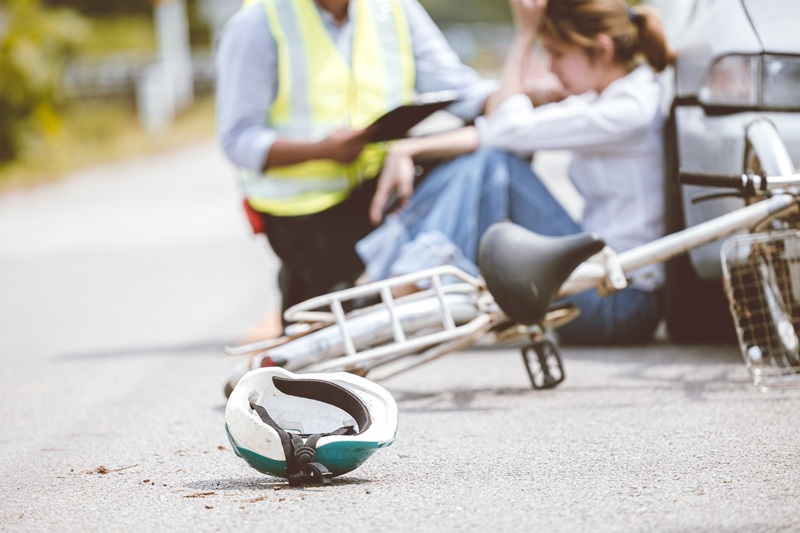
After a bicycle crash, get medical care first, even if your injuries seem minor. Then document what happened and keep records of every bill, symptom, and conversation. West Virginia generally gives you two years to file a lawsuit, and your own share of fault may lower what you recover.
What Should You Do After a Bike Crash?
- Move to safety and call 911.
- Get medical care, even if you feel fine.
- Photograph the scene, the vehicle, and your injuries.
- Get the driver’s and witnesses’ contact and insurance details.
- Ask for the police report number.
- Keep every bill and record of missed work.
- Be careful talking to the other driver’s insurer.

What Should You Do at the Scene of a Bike Crash?
Your first goal is safety. Move out of traffic if you can, and call 911 so police and medical help can respond. If you hit your head or feel severe pain, stay still and wait for help.
Once help is on the way, start gathering proof. Photos are often the strongest record of how a crash happened. Try to capture the vehicle, license plate, skid marks, traffic signs, road damage, and your injuries.
Ask the driver for a name, phone number, and insurance details. Ask any witnesses for their contact information too. Their accounts may help if the driver later tells a different story.
You may be shaken and in pain, so keep your words short. Statements like “I’m fine” or “I’m sorry” can be taken the wrong way later. Describe where you were riding and what you saw. Let police decide what goes in the report, and ask for the report number before you leave.
Why Should You See a Doctor Even if You Feel Fine?
Some injuries take time to show up. The CDC’s Heads Up concussion guidance says signs and symptoms of a concussion may take hours or days to appear. A serious crash can also cause a traumatic brain injury or other lasting harm.
A medical record also ties your injuries to the crash. Missed appointments or long gaps in treatment give an insurer an opening to blame something else. Go to follow-up visits, follow your doctor’s plan, and tell each provider about all of your symptoms.

How Common Are Bicycle Crash Injuries and Deaths in the U.S.?
Bicycle crashes injure tens of thousands of riders each year. The National Highway Traffic Safety Administration’s Traffic Safety Facts for 2024 report 1,103 pedalcyclist deaths, accounting for 2.8 percent of all traffic deaths. That is a 6 percent drop from 1,173 deaths in 2023.
The same NHTSA report estimates that 52,887 pedalcyclists were injured in 2024. It also found that 30 percent of cyclist deaths happened at intersections and 81 percent happened in urban areas.
Does West Virginia Require You to Wear a Bicycle Helmet?
West Virginia requires a helmet only for riders under 15. Under West Virginia Code §17C-11A-4, it is unlawful for anyone under 15 to ride or be a passenger on a bicycle on a public roadway, path, or right-of-way without a securely fastened helmet. The law also bars a parent or guardian from knowingly allowing it.
That section does not require adults to wear helmets. Local rules may differ, so it can help to check your city’s ordinances.
Wearing a helmet is a smart habit at any age, but it is a separate question from whether the driver made a mistake. If you were hurt while riding, whether you wore a helmet is not the same question as who caused the crash.
How Long Do You Have to File a Bicycle Accident Lawsuit in West Virginia?
You generally have two years from the date of your injury to file a personal injury lawsuit in West Virginia. That deadline comes from West Virginia Code §55-2-12(b). If your crash happened on June 1, 2026, the general deadline would fall around June 1, 2028.
A missed deadline may end your right to sue, even if your case is strong. A few exceptions exist, including extra time for injured children, but don’t count on one. Your own insurance policy may also set notice deadlines, so read it soon.

Can You Still Recover Money if You Were Partly at Fault?
Yes, you may still recover money even if you share some of the blame, but your share of the fault can reduce the amount you recover. West Virginia uses modified comparative fault, set out in W. Va. Code §55-7-13a and §55-7-13c.
Under this system, a jury or judge assigns each responsible person a percentage of fault. Your percentage generally reduces your award. You may be barred from recovering anything if your fault is greater than the combined fault of everyone else responsible.
For example, suppose a jury finds your total damages are $100,000 and you were 20 percent at fault. Your recovery would generally drop to $80,000. If a jury puts more than half of the fault on you, you may recover nothing.
Insurance adjusters know this rule. An adjuster may try to shift blame to you by pointing to where you were riding or whether you had your lights on. That is one reason to avoid guessing about fault in early conversations.
Should You Talk to the Other Driver’s Insurance Company?
You may want to be careful before you speak with the other driver’s insurer. The adjuster works for the insurance company, not for you. Even a friendly call can affect your claim.
You can share your name, the date of the crash, and where it happened. After that, you may wish to decline a recorded statement until you have medical answers or legal advice. You can also decline to guess how fast the car was going or how badly you are hurt.
Be careful with early settlement offers too. A check may arrive before you know the full cost of your care. Once you accept and sign a release, you may not be able to ask for more later. Ask for any offer in writing, and take time to review it.
Keep a simple log of every call. Write down the date, the adjuster’s name, and what was said.

What Records Should You Keep After a Bike Crash?
Keep anything that shows how the crash changed your health, your finances, and your daily life.
- Medical bills, test results, and prescription receipts
- Mileage to and from appointments
- Pay stubs or letters showing missed work
- Repair or replacement estimates for your bike and gear
- Photos of injuries as they heal
- A short daily note about pain, sleep, and limits on activity
- Emails, letters, and claim numbers from any insurance company
Store these in one folder, on paper or on your phone. Add to it each week while you recover.
How Can You Protect Your Claim While You Recover?
Your habits during recovery may matter to your claim. Go to every medical appointment and follow your treatment plan. If you skip care or stop early, an insurer may say your injuries were not serious.
Stay quiet online too. Even a photo of a good day can be used to question your injuries, so it’s best to stop posting until your claim is resolved.
Tell your doctors about every symptom, including trouble sleeping, worry, or stress. Small details now can help explain a longer recovery later.
When Should You Talk to a Lawyer After a Bike Crash?
After a bicycle accident, call a lawyer early, before the insurer gets a recorded statement or your signature on any paperwork. The other driver’s insurer may call you quickly. Early offers can be small, and you may not yet know the full cost of your injuries. Accepting anything without legal guidance can be risky.
A lawyer can review the police report, gather evidence, and explain how the two-year deadline and shared-fault rules may apply to you. If a loved one died in a crash, a wrongful death claim may also be possible.
If this sounds like your situation, Jan Dils, Attorneys at Law, may be able to help you understand your options. Contact us today.
We Won't Take "NO" For An Answer®
At Jan Dils, Attorneys at Law, we focus our legal practice on helping individuals get the compensation and benefits they deserve.
Contact